Not Your Typical Ab Wheel
5 Reasons 200+ Men Are Switching to PostureFlex (Instead of a Normal Ab Roller)
Normal ab wheels wobble and put most of your weight on your wrists, which is exactly why most guys quit after a week. PostureFlex supports your forearms and rolls on two wide wheels, so your core does the work instead of your joints.
4.7 out of 5 from 200+ customers
60 day money back guarantee · Free shipping · Secure checkout
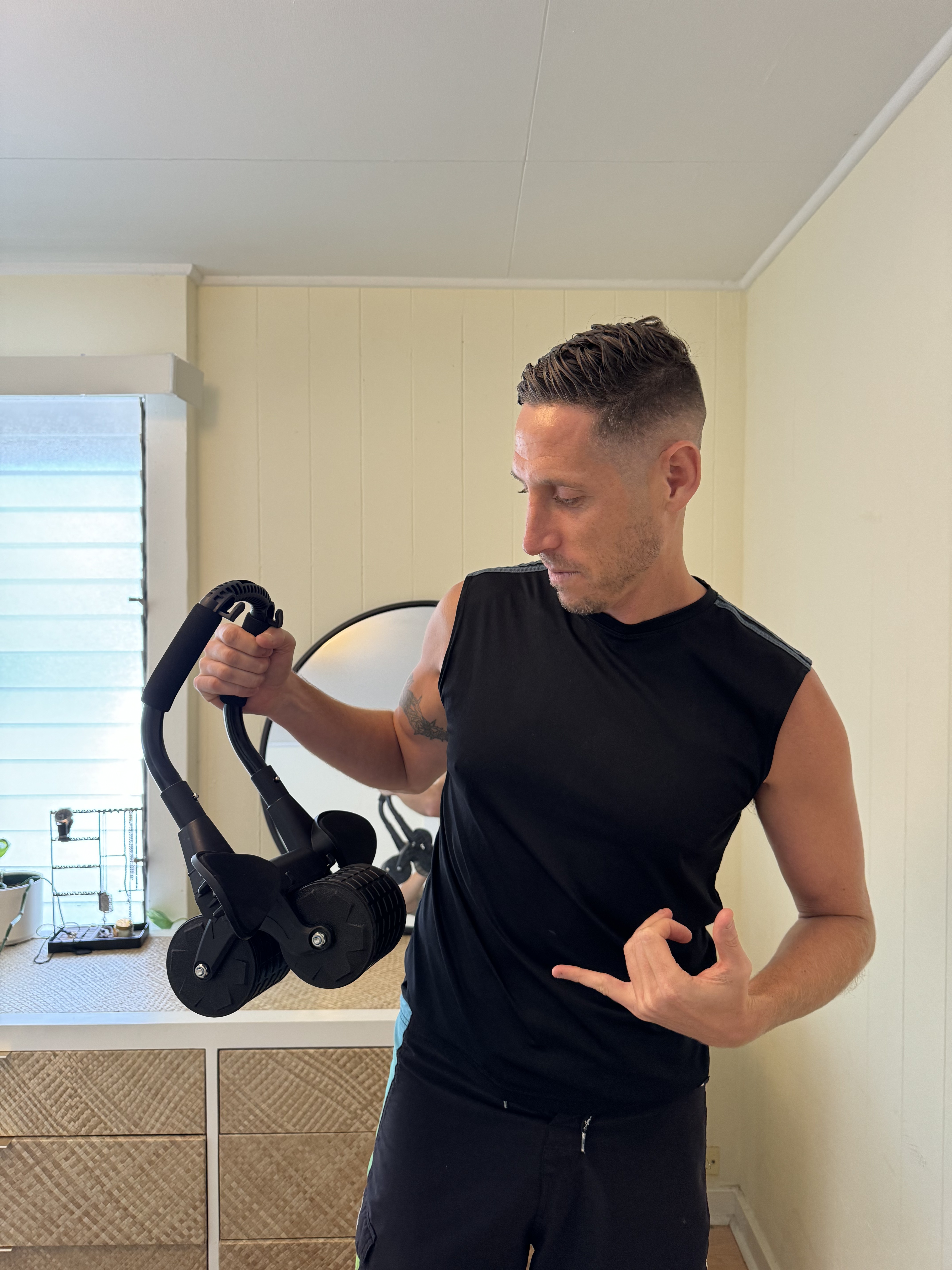
Let's Be Honest. Traditional Ab Rollers Kind of Suck.
They look simple until you try one. The tiny wheel shakes from side to side. Your wrists start hurting almost immediately, especially if you're already managing some wear and tear.
Your shoulders tense up. Half the workout is spent trying not to fall on your face.
That does not mean the exercise is bad. It means the design is.
PostureFlex was built to make the rollout feel controlled, comfortable, and actually usable, no matter what shape you're starting from.
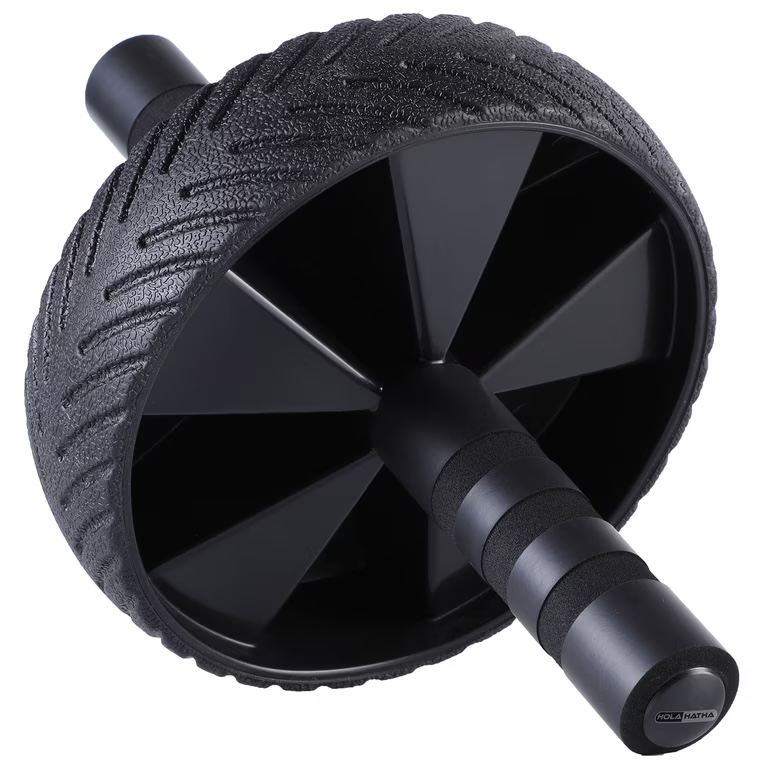
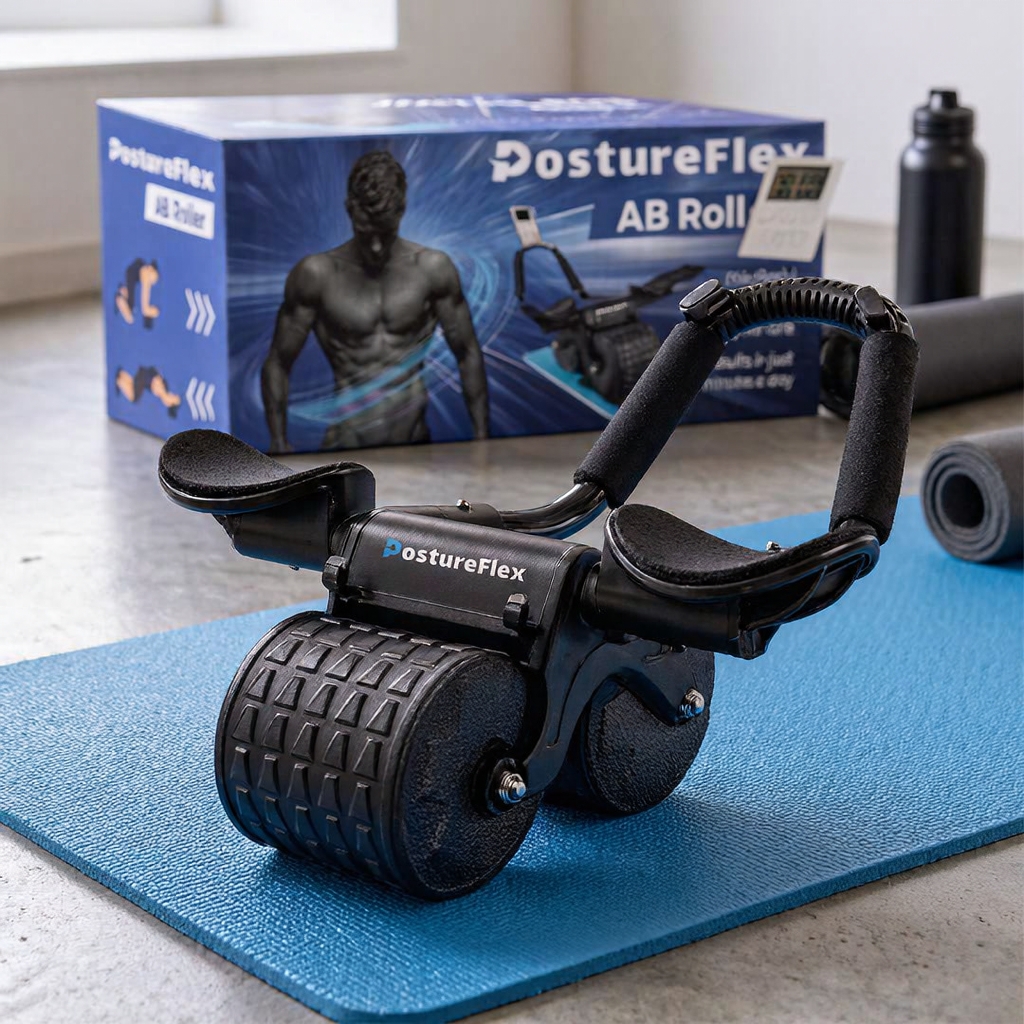
5 Reasons PostureFlex Feels Completely Different
Reason 1
Your Forearms Get Support
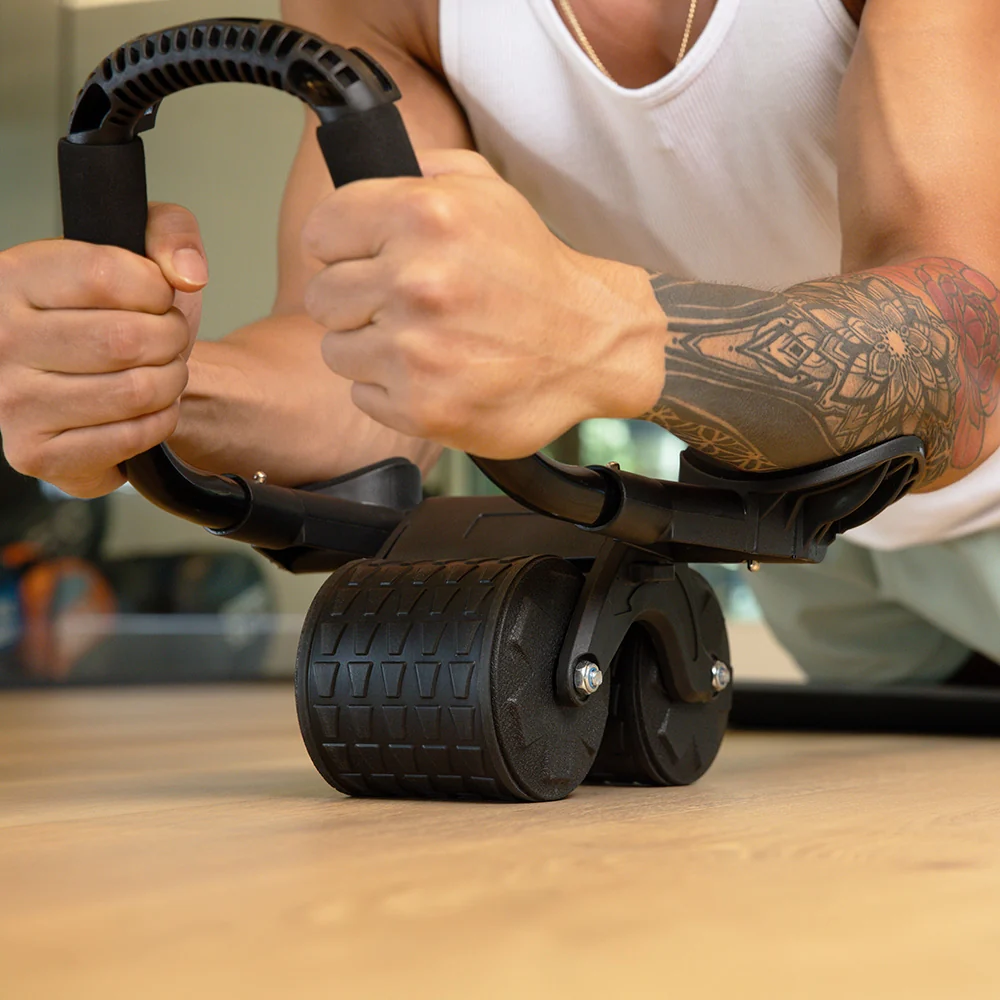
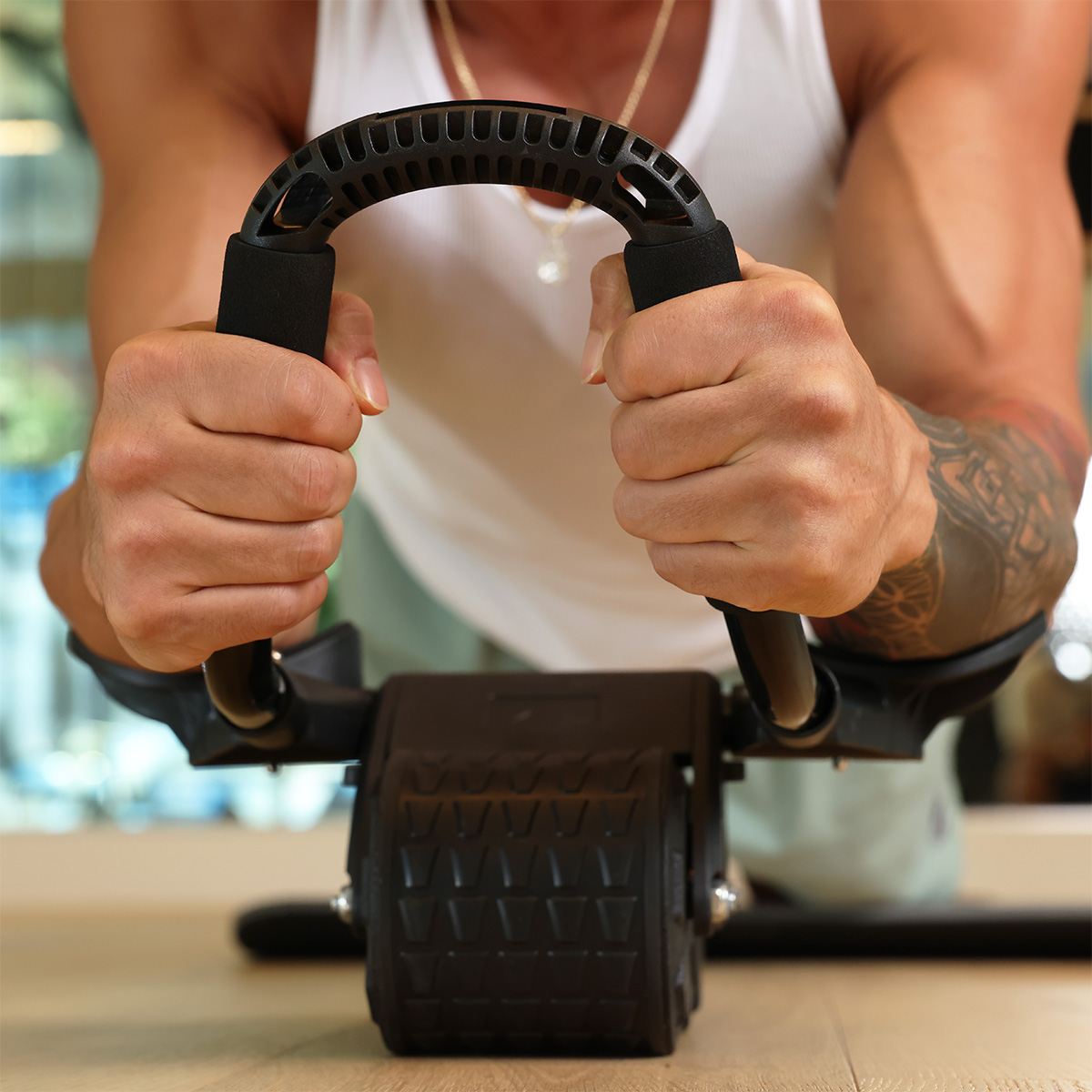
A normal ab wheel makes your hands and wrists support your upper body. PostureFlex gives your forearms a padded place to rest. This spreads out the pressure and lets you focus on controlling the movement with your core.
Less pressure on your wrists. More focus on your core.
Reason 2
Two Wheels Keep You Stable
A narrow wheel can tip from side to side during every repetition. PostureFlex uses a wide two wheel base that tracks smoothly across the floor. You spend less energy fighting the equipment and more energy controlling the rollout.
A smoother rollout without the side to side wobble.

Reason 3
Designed With Trainers, Not Pulled From a Generic Factory Catalog
Most ab rollers are the same wheel-and-axle design licensed out to a dozen brands. PostureFlex was built with input from trainers to fix the problem every other reason on this page describes: wrists and shoulders doing work your core should be doing.
Built around the problem, not just the exercise.
Reason 4
Your Entire Core Has to Work
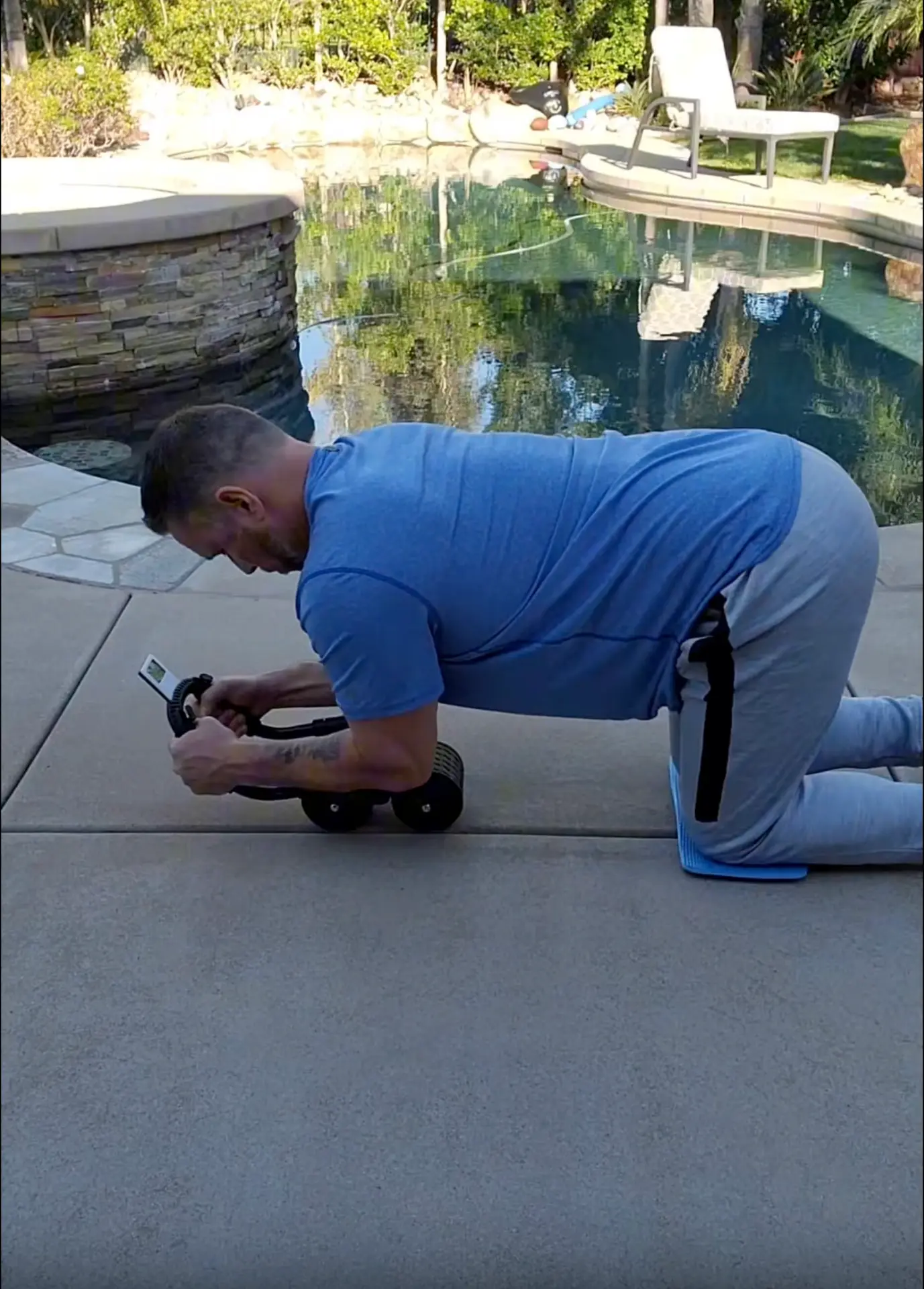
Each rollout requires your abs, obliques, and deeper core muscles to stabilize your torso as you move forward and return. It is not about doing hundreds of repetitions. A few slow, controlled repetitions can create a serious core workout. Start with a shorter rollout and build up as your core gets stronger — the same movement challenges a beginner or an experienced athlete.
One controlled movement. Your entire core working together.
Reason 5
It Is Simple Enough to Keep Using
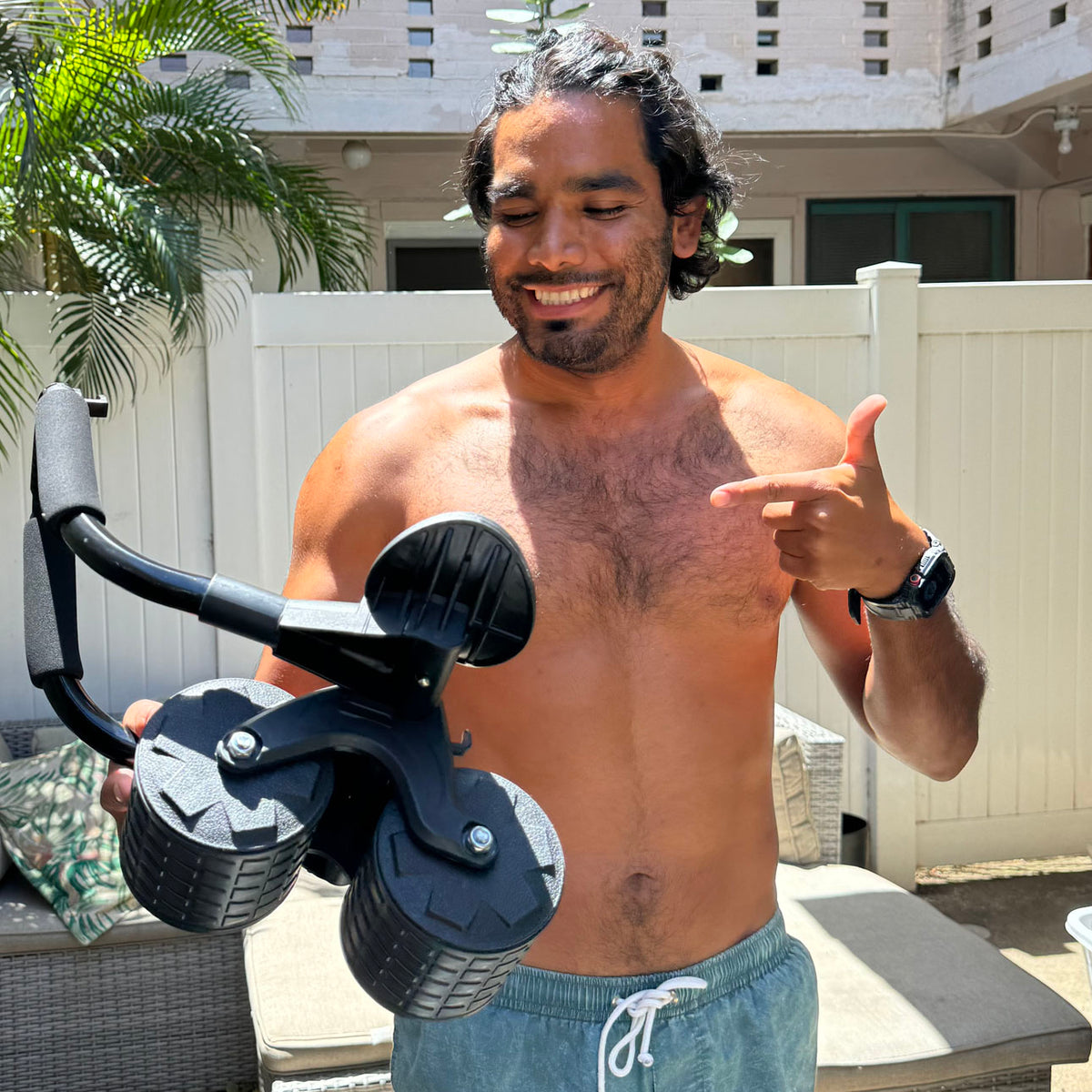
No complicated setup. No gym membership. No hour long routine. Place it on the floor, support your forearms, and start rolling. When you finish, it stores easily in a closet or under a bed. It even includes a phone holder, so you can follow a workout or watch something while you train.
Set it down, roll, put it away. That is the whole routine.
Real Customers. Real Feedback.
“Two words: absolutely brilliant. Sports and fitness have always been a huge part of my life. This really does what it says.”
“Great piece of kit. I have been doing well with it so far and it really does work your abs.”
“As a personal trainer, I always recommend the PostureFlex Ab Roller to my clients.”
Get the PostureFlex Ab Roller
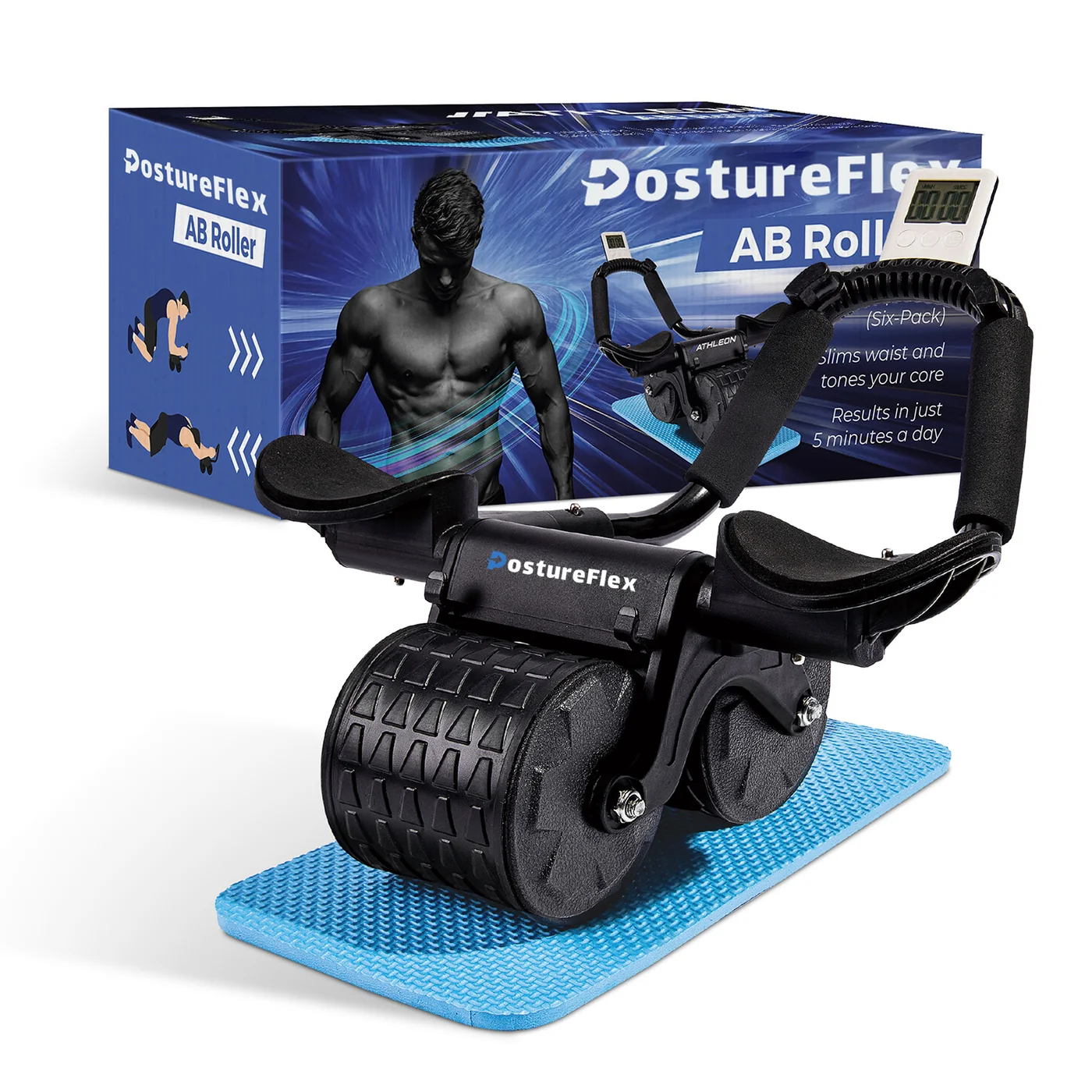
- PostureFlex Ab Roller
- Free knee mat
- Free ab exercise ebook
- Built in phone holder
- 60 day money back guarantee
- Free shipping
Try it for 60 days. If it is not right for you, contact us for a refund.
Questions, Answered
A Better Ab Roller Starts With Better Support
Stop fighting a shaky wheel. Give your wrists a break and let your core do the work.
4.7 out of 5 · 60 day guarantee · Secure checkout